Automation · 8 min read
Smart Home Timelines, Lifespan & Upgrades: How Long Everything Actually Takes and Lasts
How long does installation take, how long does a system last, and can it be upgraded later? The realistic schedules and lifespans behind a professionally integrated home.
Three questions arrive together in nearly every consultation: how long will this take, how long will it last, and will I be able to change it later? They deserve real numbers and real nuance — so here are both.
How long installation takes
- Single-room projects (a media room, a theater, one-room audio): typically days to a couple of weeks on site, after design and equipment lead times.
- Whole-home retrofits: usually staged over several weeks — network first, then systems room by room, sequenced so the household keeps living normally around the work.
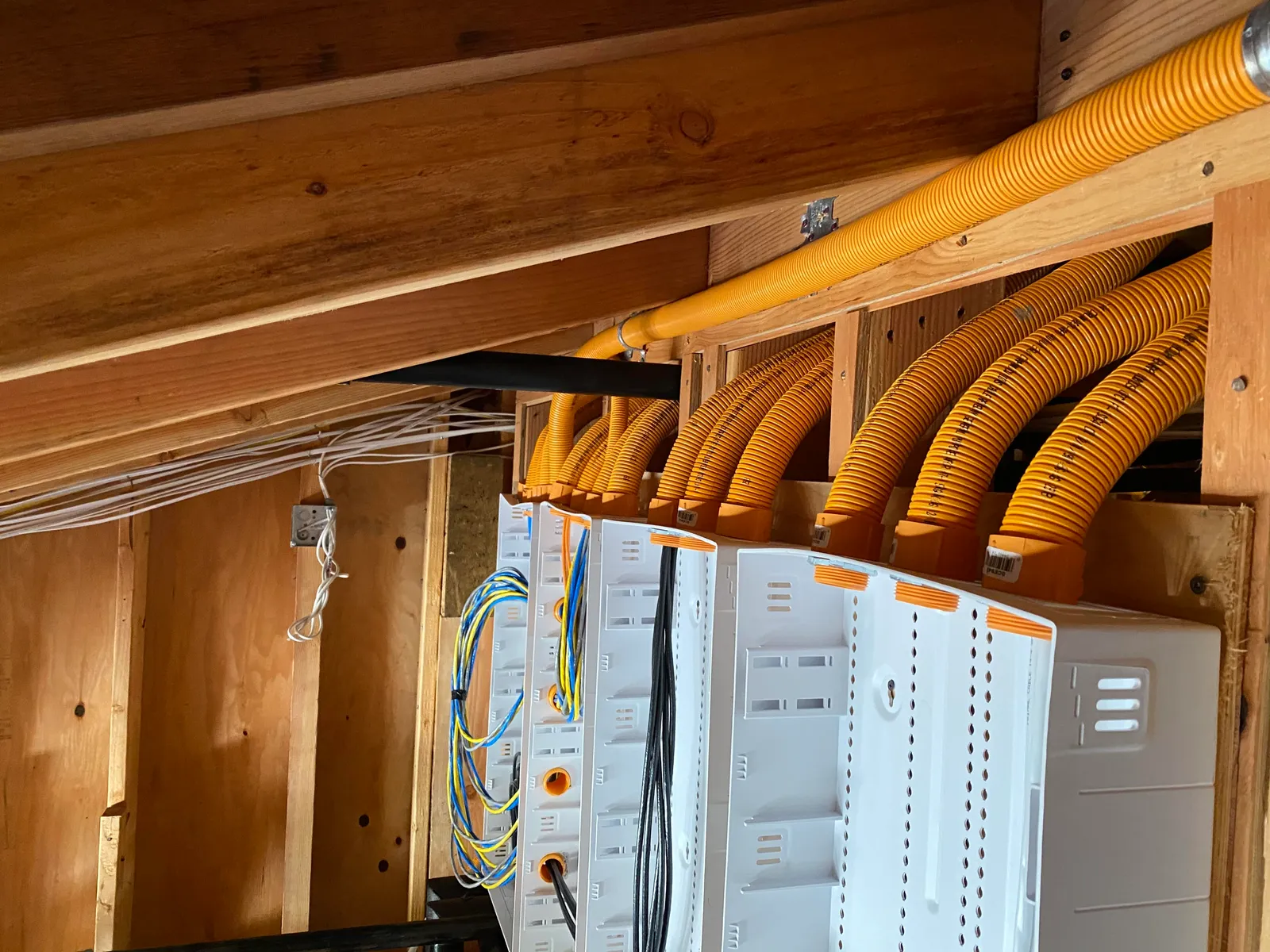
- New construction and remodels: the timeline belongs to the build. Pre-wire lands during framing (days, not weeks, when coordinated well); trim, rack, and programming arrive with finishes; calibration and handoff come last. Our involvement spans the project, but our footprint on the schedule is engineered to be invisible.
- The honest variable: decisions and lead times, not labor. Projects stall on late selections and back-ordered gear far more often than on installation itself — one more argument for early design.
How long a system lasts
The layers age at different speeds, and knowing which is which prevents both premature replacement and false economy:
- Wiring and infrastructure: 20+ years. Quality structured cabling and conduit outlast multiple generations of everything attached to them — this is why we overbuild the layer you can't easily change.
- Speakers: 15–20+ years. Good architectural speakers are the closest thing to permanent equipment in this industry.
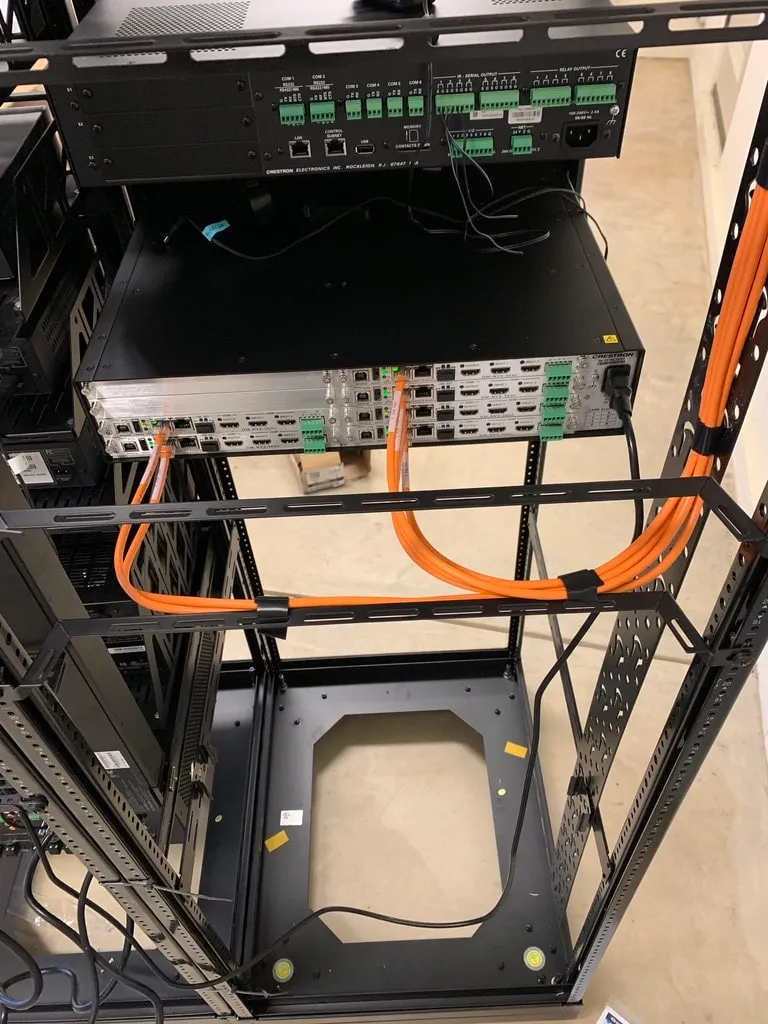
- Control processors, amplifiers, network gear: roughly 8–12 years of reliable service on professional lines, often more with a service relationship keeping firmware current.
- Displays and sources: 5–10 years, driven more by format evolution than failure.
- Programming and interfaces: continuously refreshable — the system's feel can stay current without touching hardware.
Can it be upgraded later? (The question that should shape everything)
Yes — if it was designed to be. Upgradeability is decided on day one, in the walls: home-run wiring, generous conduit, a rack with headroom, and a platform with a real product roadmap mean the home evolves by swapping components, not by remodeling. It's also decided in the paperwork: documentation and your own credentials make any future change — by us or anyone else — start from a blueprint instead of an archaeology dig. This is precisely where cheap installs become expensive: systems built without headroom or documentation don't get upgraded, they get replaced.
Frequently asked
How long does professional smart home installation take?+
A single room typically takes days to two weeks on site; whole-home retrofits stage over several weeks; in new construction the work rides the build schedule, with pre-wire at framing and systems arriving with finishes. Design decisions and equipment lead times drive timelines more than labor does.
How often do smart home systems need to be replaced?+
By layer: wiring lasts 20+ years, speakers 15–20, control and network electronics roughly 8–12, displays 5–10. A well-designed system is refreshed component by component as layers age — wholesale replacement is the symptom of a system that was built without upgrade paths.
Will my system become obsolete?+
The electronics will date; the system doesn't have to. Major platforms (Crestron, Control4, Savant, Lutron) maintain long product roadmaps and backward compatibility, and infrastructure-first design means new capabilities arrive by swapping components. Obsolescence is mostly a design failure, not a fate.
Can I add to my system in phases?+
Absolutely — it's often the smartest path: infrastructure and network first, then systems as rooms are finished or budget allows. The critical part is pre-wiring for the full vision up front, so every later phase is an installation rather than a construction project.