
Automation · 8 min read
How Secure Are Smart Home Systems? A Straight Answer About Cameras, Privacy & Hacking
Can someone hack your cameras? Watch your house? The honest risk picture — and the professional practices that make an integrated home more secure than a drawer full of gadgets.
The fear behind this question deserves a real answer, not marketing reassurance. Yes — poorly secured home technology has been compromised: cameras with default passwords, cheap devices phoning home to who-knows-where, WiFi networks with the router's original login taped to the fridge. Those stories are real. What they have in common is not 'smart homes are insecure' — it's the absence of anyone responsible for security. That's the variable you control.
Where the real risks live
- Default and reused passwords — the cause behind most consumer camera horror stories; trivially prevented and routinely neglected.
- No-name devices and apps: bargain gear from unknown manufacturers with unknown firmware, cloud servers, and data practices. The price is low because you're not the customer being served.
- Flat networks: when the smart plug, the laptop with your finances, and the cameras all share one network, any weak device endangers everything.
- Abandoned firmware: devices that never get updates accumulate known vulnerabilities. Somebody has to be paying attention.
- Oversharing platforms: 'free' ecosystems monetize somewhere; it's worth knowing whether the somewhere is your household's behavioral data.
How a professional installation is different
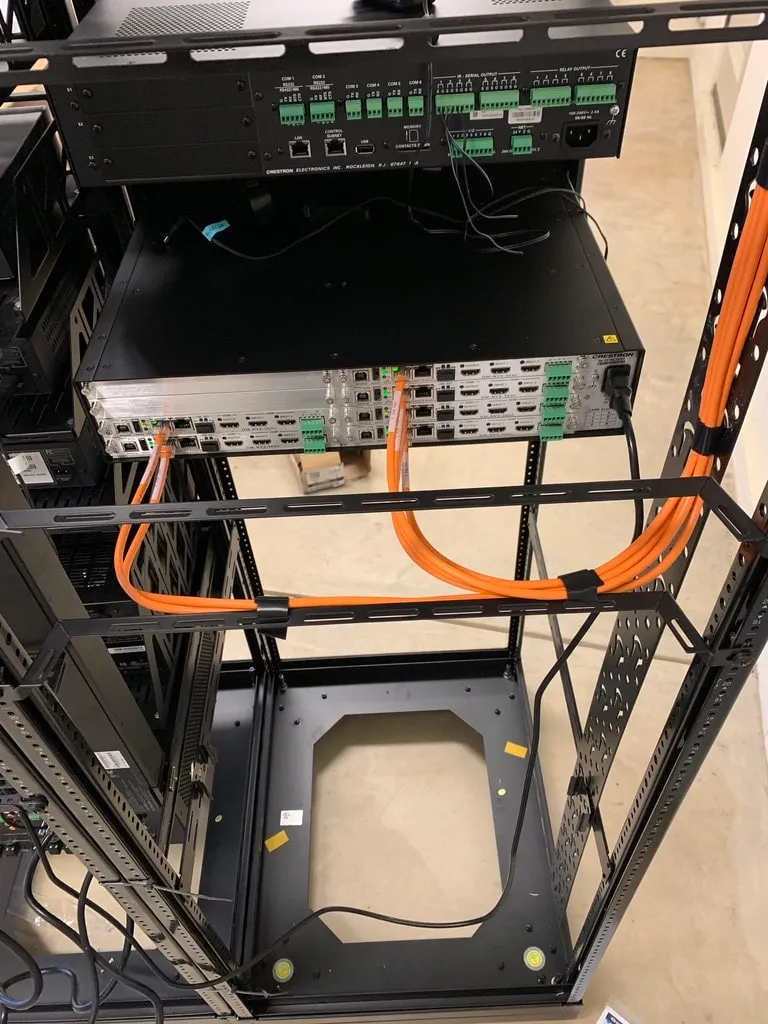
Security in our projects is architecture, not an add-on. The network is segmented — cameras and IoT devices live on isolated VLANs, walled off from family computers and each other. Every credential is unique and strong, stored in documentation the client owns. Cameras record locally to an on-site recorder, not to a mystery cloud; remote viewing runs through encrypted, authenticated access rather than open ports. Equipment comes from manufacturers with real firmware discipline, and a service relationship means updates actually happen. None of this is exotic — it's the ordinary competence of enterprise networking applied to a home, and it's the difference between the headlines and a system you never think about.
The privacy conversation nobody has
Security is whether outsiders can get in; privacy is what the system itself does with your life. We take deliberate positions: local recording over cloud subscriptions where quality allows, microphone-free devices in private spaces unless a family explicitly wants voice control there, and platforms whose business model is selling hardware, not harvesting behavior. Your home should be the one place that isn't a data product — and with professional-grade equipment, it can be.
Frequently asked
Can smart home cameras be hacked?+
Consumer cameras with default passwords, no updates, and open cloud accounts have been — that's where the headlines come from. Professionally installed systems use unique credentials, isolated camera networks, local recording, and encrypted remote access, which removes the attack paths those stories depend on.
Can someone spy on me through my smart home?+
The realistic risk comes from cheap devices with weak security and cloud-dependent products with loose data practices — not from professional integration. Choosing reputable manufacturers, segmenting the network, recording locally, and controlling which rooms have microphones puts you in charge of exactly what exists and who can reach it.
Is a professionally installed system more secure than DIY?+
Meaningfully, yes — not because the boxes are magic, but because someone is responsible: network segmentation, strong unique credentials, firmware updates, and documentation don't happen by default. Security is a practice, and professional installation puts a practitioner behind it.
Do smart homes need internet to be secure?+
Core systems should — and in our designs do — run locally, so the house doesn't depend on the cloud to function. The internet connection is for remote access and streaming, protected by encryption and proper firewalling. Less cloud dependence is both a reliability and a security win.