Automation · 7 min read
Do Smart Home Systems Increase Home Value? What Actually Matters at Resale
The honest answer from the field: some technology genuinely helps a sale, some is neutral, and some hurts. What buyers, agents, and inspectors actually respond to.
You'll find inflated claims on this topic everywhere, so let's be unusually honest: technology alone doesn't add a tidy percentage to a sale price. What it does — powerfully, in the market we serve — is make a home show better, appraise cleaner, and close smoother. And done wrong, it does the opposite. Here's the field view from a decade of South Coast projects, including plenty inherited mid-sale.
What genuinely helps a sale
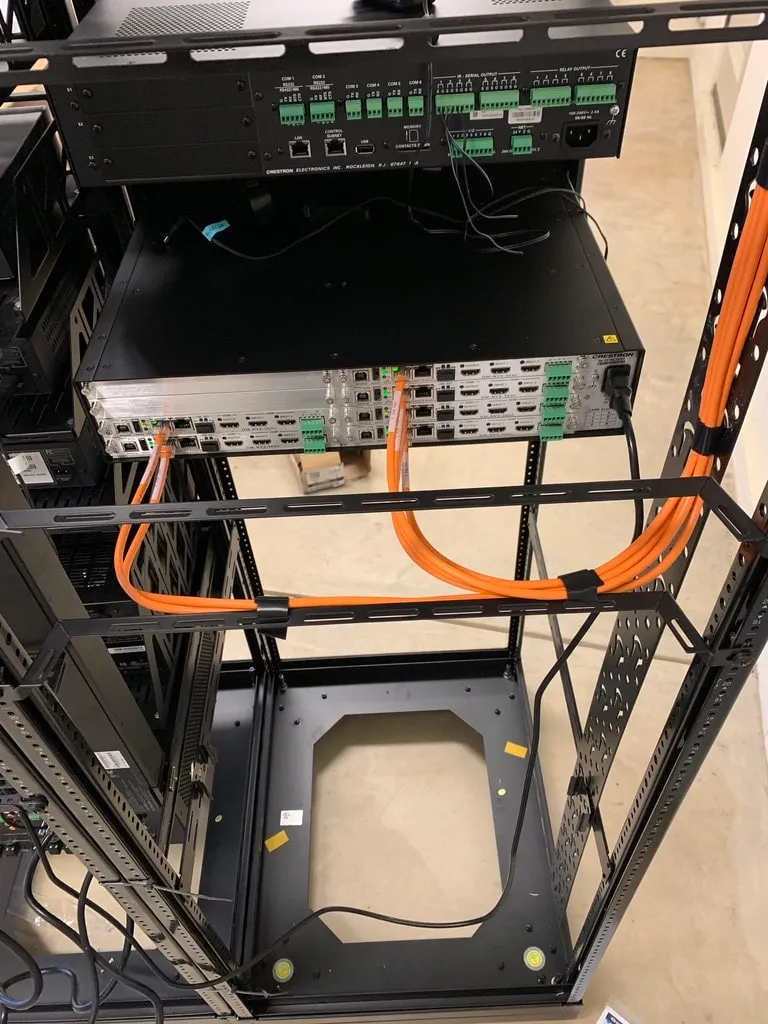
- Infrastructure: structured wiring, conduit, a real network, and a labeled rack read as quality construction — inspectors note it, buyers' integrators (people like us, hired for walk-throughs) endorse it, and it de-risks the purchase.
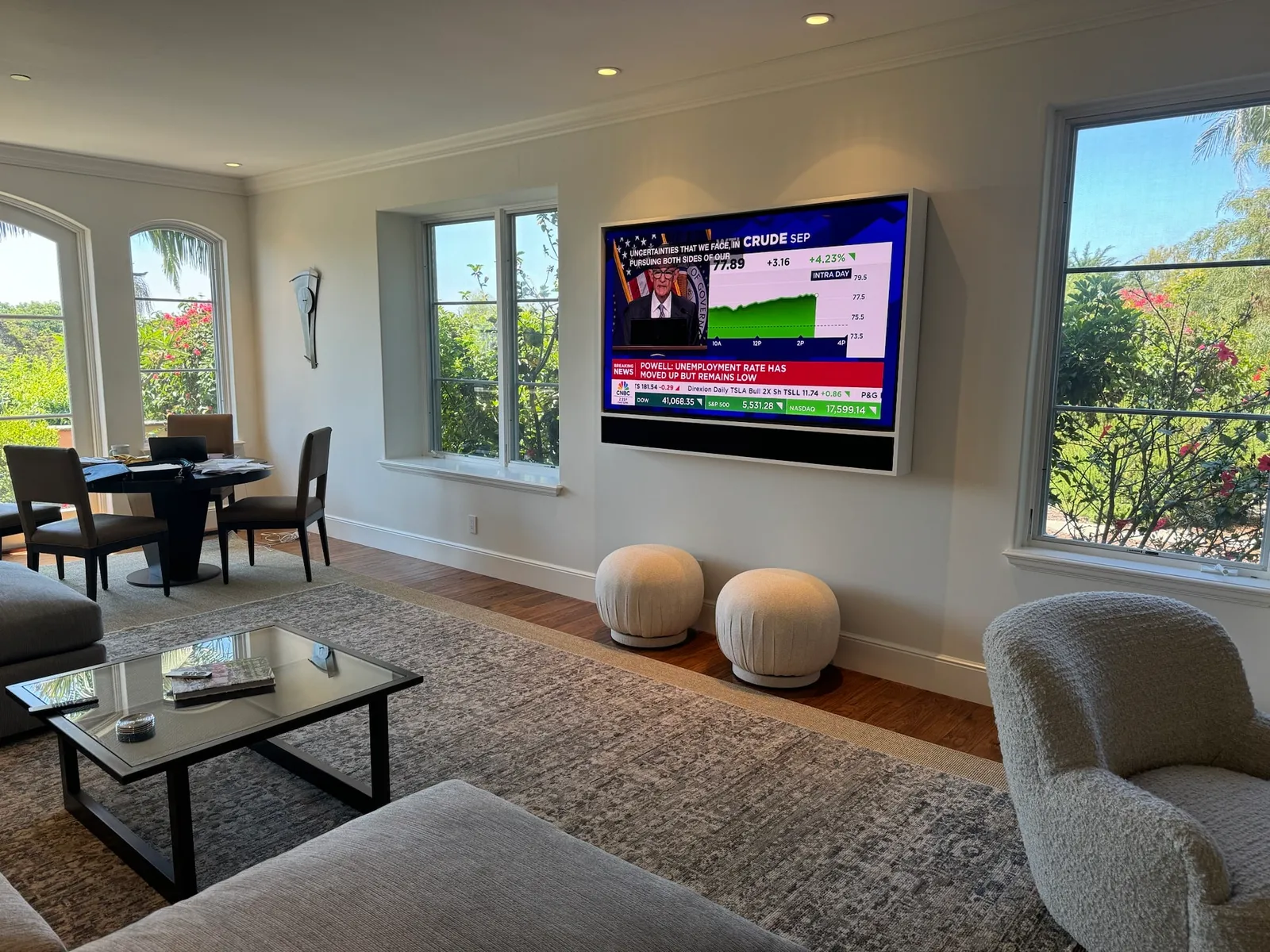
- Lighting and shading: Lutron scenes and motorized shades are felt within thirty seconds of a showing. This is the technology that photographs well, demos well, and gets mentioned in listings — because it reads as architecture, not gadgetry.
- Recognized platforms: Crestron, Control4, Savant, and Lutron carry brand equity. A buyer's advisor can service and extend them; that continuity has real value.
- Documentation and transferable credentials: a handoff binder — as-builts, labeled wiring, admin passwords — turns 'mystery system' into 'maintained asset.' We've watched this single item change the tone of a transaction.
- In estate listings specifically: integrated technology is simply expected. Its absence is the anomaly that costs.
What's neutral — and what actively hurts
Neutral: consumer gadgets (video doorbells, retail thermostats, app-store devices). Buyers assume they convey or don't care; they're furniture, not features. Actively harmful: an orphaned or undocumented system. Dead keypads on walls, an abandoned platform nobody services, a departed integrator holding the only passwords — each becomes a buyer objection, an inspection note, and a negotiating chip against the seller. We're regularly hired to stabilize exactly this situation days before listing, and it costs more under deadline than stewardship would have cost across the years.
If a sale is anywhere on your horizon
- Get the documentation in order now — it's valuable to you today and to the transaction later.
- Fix or remove dead technology; nothing on a wall should do nothing.
- Keep the system on a service relationship so it demos flawlessly on showing day.
- Selling a home with a system we didn't install? A pre-listing technology audit tells you what a buyer's advisor will find — before they find it.
Frequently asked
Do smart homes sell for more money?+
Quality technology contributes to faster, smoother sales and stronger buyer confidence — especially lighting, shading, and documented infrastructure in the luxury market, where it's increasingly expected. Claims of a specific percentage premium aren't honest; 'shows better, inspects cleaner, closes smoother' is.
Does an old or broken smart home system hurt resale?+
Yes — an orphaned, undocumented, or partially dead system creates buyer objections and inspection notes, and reads as deferred maintenance. Stabilizing or cleanly removing it before listing is almost always worth it.
What technology do home buyers actually care about?+
Reliable whole-home WiFi, lighting scenes and motorized shades they can feel during a showing, a recognized control platform a local dealer can service, and documentation proving the system is an asset rather than a mystery. Gadget-count impresses no one.
Should I upgrade my system before selling?+
Rarely wholesale — but a tune-up, honest triage of what works, and a proper handoff package are high-leverage. A pre-listing audit identifies the few fixes that matter to a transaction versus the upgrades that only matter to the next owner.